
Best Roof Waterproofing Systems in Saudi Arabia: A Practical Guide
No single waterproofing system suits every roof. The right choice starts with the substrate, concrete condition, movement, drainage and exposure to sunlight or traffic. In Saudi Arabia, detailing and workmanship are just as important as the membrane.
Why does a roof need a complete system?
Most leaks begin at an untreated joint, weak pipe penetration, cracked screed or a drain above roof level. Thermal movement turns these weaknesses into water paths that reach concrete and finishes.
A complete system includes inspection, crack repair, falls, primer, membrane, protection and every penetration and termination. The roof should be assessed as one assembly before choosing a product.
Main roof waterproofing systems
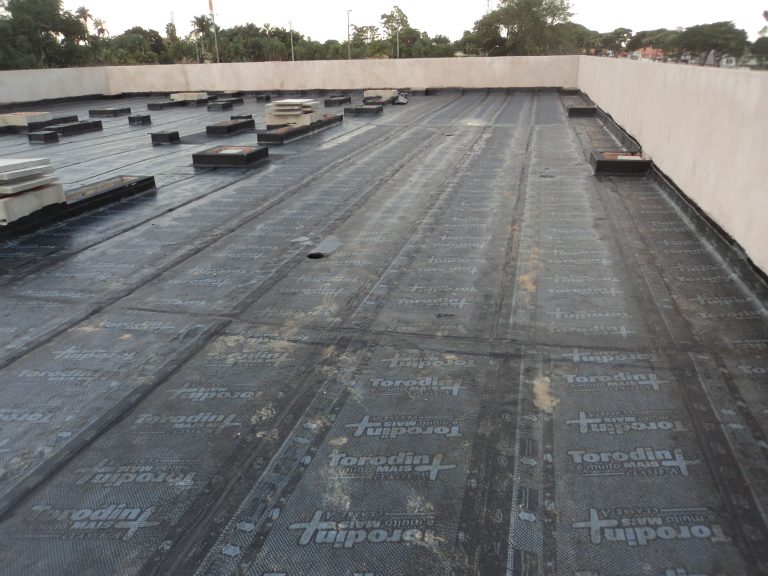
Modified bituminous membranes are durable and their seams can be inspected. They suit regular concrete roofs when preparation, overlaps and terminations are executed correctly, with protection where required.
Polyurea forms a fast-curing, flexible and seamless membrane. It suits complex details and rapid return to service, but requires specialist equipment and strict control of substrate moisture and temperature.
Cementitious waterproofing commonly suits tanks, wet areas and protected roofs. Flexible liquid coatings work around complex geometry when designed thickness and continuity are verified.
How to select the right system
Define whether the roof is exposed, tiled, landscaped, or occupied by equipment and maintenance traffic. Inspect moisture, cracks and strength; map joints, drains and penetrations; and check waterproofing and insulation compatibility.
Compare service life, maintainability, warranty and installer capability—not unit rate alone. A low initial price can become the highest whole-life cost if finishes must be removed and work repeated.
- Substrate condition and moisture
- Movement and crack bridging
- UV and heat resistance
- Ease of inspection and repair
- Approved materials and installer experience
Professional installation workflow
Work begins with survey and testing, followed by cleaning, removal of weak material and crack repair. Falls, upstands, bases and pipe details are completed before the membrane. Seams or thickness are inspected and flood testing follows where appropriate.
Photographs, test results and batch records support handover and maintenance. Protection and finishes should not cover the membrane before it is accepted.
When is specialist inspection needed?
Damp marks, peeling paint, ponding, cracks or lifted edges justify inspection. Painting the internal stain is not a repair; water may appear far from its entry point.
A specialist can identify the cause and recommend local repair or full rehabilitation. Contact ISECS for an assessment and a solution matched to your project.